
2026 Humanoid Robot Industry Research Report: Mass Production Year and Domestic Substitution
Late at night in the factory workshop, the boss stares at the production line report worriedly: on one hand, recruiting workers is becoming increasingly difficult; on the other, labor costs are rising year after year.

The complete report data charts and the reference report collection (PDF) at the end of this article have been shared to the member group
Table of Contents
- Core Conclusions: Mass Production Year Established, Dual Main Lines of Screws and Actuators — Global humanoid robot sales to increase from 20,000 units in 2025 to 3 million units in 2030; screw incremental market to grow tenfold in five years
- Full Interpretation of Policy and Capital Dividends — H1 2026 financing of RMB 104.1 billion, nearly double the full year 2025; capital and industry dual-wheel validation
- Industry Prosperity Fundamentals — Shipments, production volume and cost curve fully dissected; Wright’s Law driving cost reduction
- Industry Chain Investment Map — From screws to actuators, domestic substitution space and segment barrier ranking
- In-depth Analysis of Sub-sectors — Planetary roller screws, actuators, Optimus chain three major tracks
- Expectation Gap Mining — Global sales measurement caliber conflict as high as 395%, who is the truth?
- Risk Warning — Valuation bubble, overcapacity and tariff variables
- Recommended Reports and Community Drainage — Selected reports by user scenario classification
Abstract
This article is excerpted from the “2026 Humanoid Robot Industry Research Report” released by TeCDat. To obtain the full text, please visit the TeCDat official website to search and view.
This article answers the following core questions:
- How large are global humanoid robot sales and market space from 2026 to 2030?
- What is the space and pace of domestic substitution for planetary roller screws?
- What are the volume-price logic and 2030 market space calculation for the actuator track?
- When will Tesla Optimus mass production ramp-up drive the industry chain?
- Where are the core risks, and how should small and medium-sized enterprises enter?
Abstract: This article examines the humanoid robot industry from 2025 to 2030, projecting global sales to reach 3 million units by 2030 with screw and actuator supply chains as dual investment focuses. It analyzes domestic substitution opportunities in planetary roller screws, actuator market expansion to RMB 175 billion, and Optimus production ramp-up, while highlighting valuation risks and capacity-overcapacity concerns.
Introduction
Late at night in the factory workshop, the boss stares at the production line report worriedly: on one hand, recruiting workers is becoming increasingly difficult; on the other, labor costs are rising year after year. This scenario is pushing a group of the most pragmatic manufacturing enterprises to seriously calculate the account of “replacing humans with robots.” And in 2026, this account can finally be balanced for the first time. Based on the latest industry research reports, the TeCDat research team found that global humanoid robots are moving from “prototype display” into the “first year of mass production.” Global shipments in 2025 were about 14,700 units, and sales are expected to exceed 3 million units by 2030. The cost of complete machines is declining at an almost exponential rate annually. The TeCDat research team combines desktop research with quantitative surveys and qualitative analysis to comprehensively and objectively analyze the overall market capacity, industry chain, operating characteristics, profitability and business models of the humanoid robot industry. Scientific use of SCP model, SWOT, PEST, machine learning, LLM and other research models and methods to comprehensively analyze the market environment, industrial policies, competitive landscape, technological innovation, market risks, industry barriers, opportunities and challenges and other related factors of the humanoid robot industry. Based on the development trajectory and practical experience of the humanoid robot industry, the “2026 Humanoid Robot Industry Research Report” was carefully researched and compiled to provide important reference for investment decisions, strategic planning, and industrial research by enterprises, scientific research institutions, and investment institutions. The data sources for this report are mainly a combination of primary and secondary data. We have established a strict internal control system for data cleaning, processing and analysis. After collecting information, analysts strictly follow the company’s evaluation methodology and information specification requirements, combined with their own professional experience, to organize and screen the obtained information, and finally obtain relevant industrial research results through comprehensive statistics, analysis and calculation. The complete report data charts and the 106 latest reference report collections at the end of this article have been shared to the member group. Click to read the original text to view the complete content. By joining the group, you can enjoy unlimited downloads of 24,000+ industry-wide reports, industry resource docking, expert exclusive Q&A rights, and can also consult customized data services and in-depth report writing, and communicate and grow with 1000+ vertical industry practitioners.
I. Core Conclusions: Mass Production Year Established, Dual Main Lines of Screws and Actuators
One-sentence investment logic: 2026 is the watershed year when the industry switches from “theme speculation” to “order verification.” Prioritize allocation to the two bottleneck segments of screws and actuators. Rewind to 2023: at that time, global humanoid robot annual shipments were only a few hundred units, and the industry was still in the laboratory and prototype stage. By 2025, things began to change—global shipments jumped to about 14,700 units, and domestic manufacturers such as Unitree and Zhiyuan began batch deliveries. The truly exciting signal for the industry came in the first half of 2026: total industry financing reached RMB 104.1 billion, nearly double the full year 2025, with June alone reaching RMB 31.5 billion, a record high. Why must we pay attention to this track? Because the core component of humanoid robots—planetary roller screws—is replicating the domestic substitution path of the new energy vehicle industry chain from a decade ago. Donghai Securities (released August 2026) estimates that by 2029, the incremental screw market brought by humanoid robots will reach RMB 11.2 billion, a growth of about 13 times in five years. From Figure 1 (Humanoid robot quantity and screw market increment_dual-axis chart_Chart 1), it can be seen that as humanoid robots ramp up from 30,000 units to 1 million units, combined with 14 screws per unit, the incremental screw market climbs from RMB 840 million to RMB 11.2 billion, with a very clear logic of simultaneous volume and price increases.
Figure 1: Dual-axis chart (Chart 1)
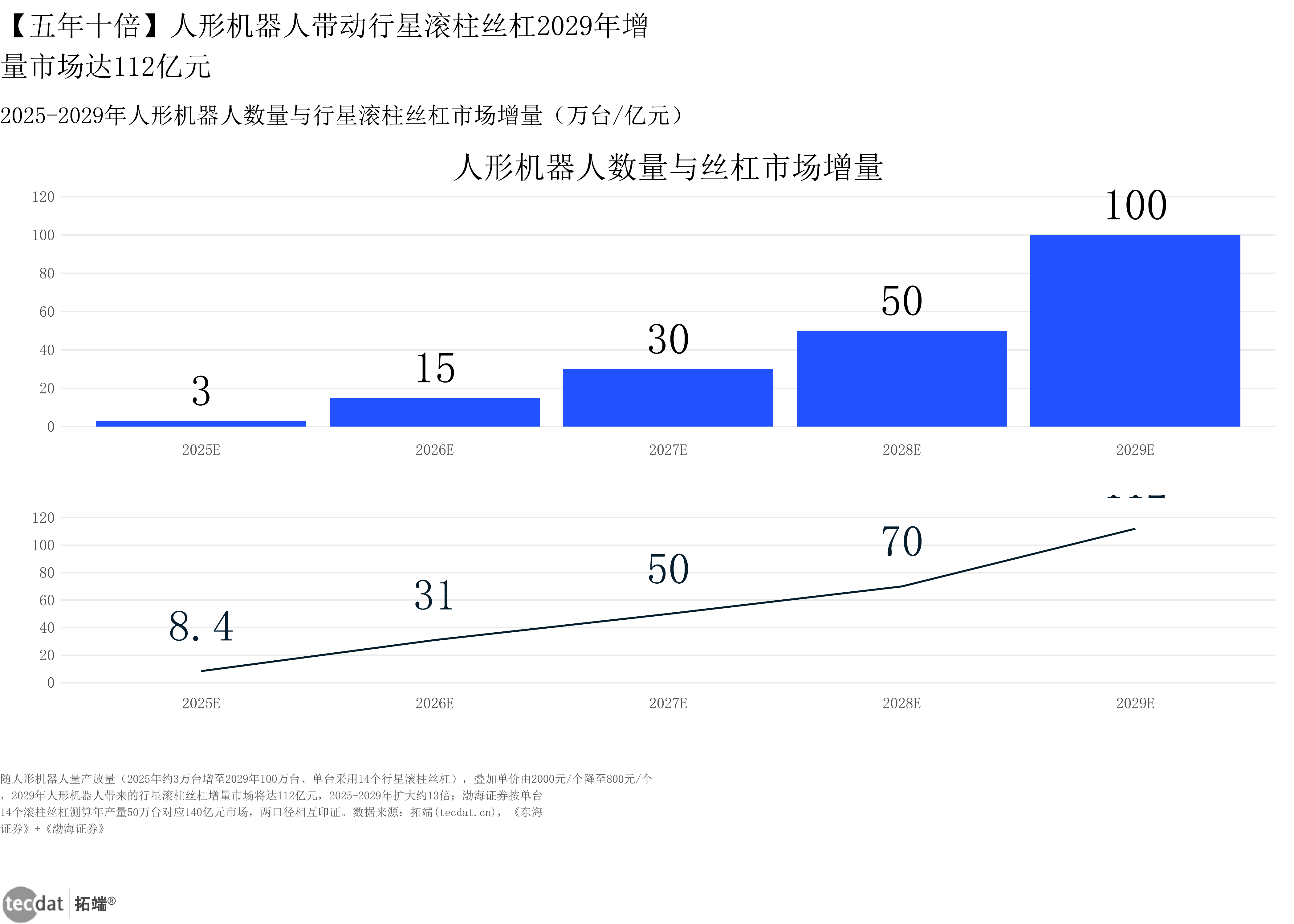
Figure 1 data EXCEL and chart PDF templates have been shared to the member group
By 2029, the incremental screw market will reach RMB 11.2 billion, with a five-year CAGR of approximately 91%, mainly driven by volume increase, partially offset by unit price decline; the industry trend is established.
Interpretation: Screws are the “heart” of linear actuators. With 14 screws per unit and a value share of about 19%, it is the most certain volume-price logic segment.
Advice for SME owners/entrepreneurs: Prioritize domestic substitution opportunities in equipment and process links such as screw grinding machines and thread processing, rather than directly entering complete machine manufacturing. More detailed data and sub-sector analysis have been organized into the member group; join to get full-text chart data and PDF templates.
II. Full Interpretation of Policy and Capital Dividends
One-sentence investment logic: Policy tone-setting + capital rushing ahead double-click; the H1 2026 financing of RMB 104.1 billion exceeding expectations is the hardest policy bottom signal for the sector. Capital market reactions often lead the industry by one step. In 2023, humanoid robot financing was only RMB 4 billion, doubled to RMB 11 billion in 2024, soared to RMB 57.8 billion in 2025, and reached RMB 104.1 billion in the first half of 2026—nearly twice last year’s full-year amount in just half a year. From Figure 4 (Industry financing amount_shaded bar chart_Chart 4), it can be seen that the financing curve shows a clear accelerating upward shape: H1 2026 alone reached RMB 104.1 billion, with June setting a record high of RMB 31.5 billion; in the first half of the year, there were 105 domestic financing events totaling RMB 71 billion, making China the most active capital gathering place in the world.
Figure 4: Shaded bar chart (Chart 4)
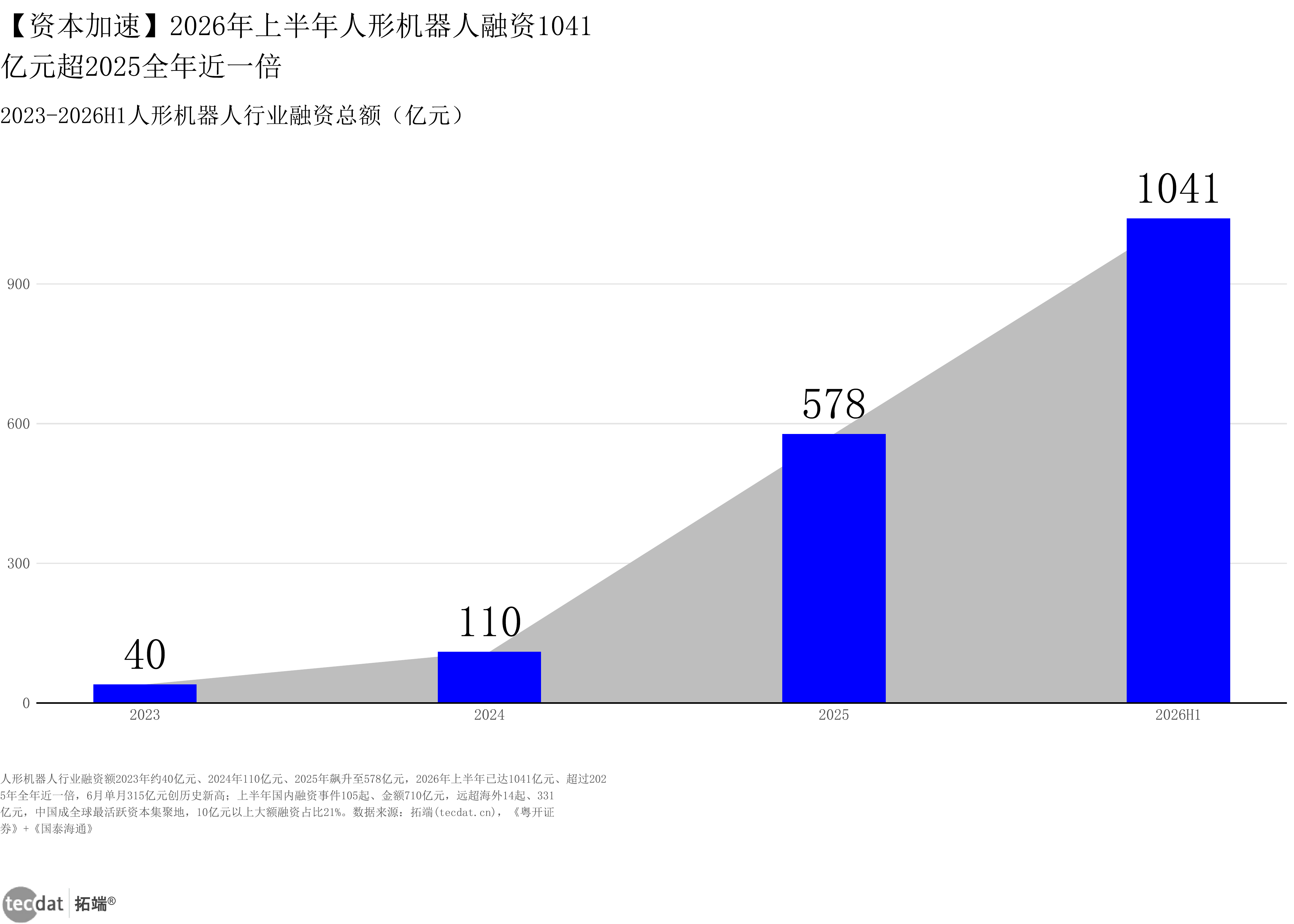
Figure 4 data EXCEL and chart PDF templates have been shared to the member group
Interpretation: Financing amount is the most sensitive leading indicator of industry prosperity. Half-year financing of RMB 104.1 billion means a large amount of new production capacity will be implemented in 2027-2028.
Advice for industrial capital strategic investment departments: Pay attention to leading manufacturers behind large financing of over RMB 1 billion (accounting for 21%), which have stronger bargaining power.
If we put the capital curve under the perspective of machine learning, the abnormal signal becomes more obvious. We conducted trend deviation detection on 2023-2026H1 financing data: extrapolating at the average growth rate from 2023 to 2025, the full year 2026 would be about RMB 231.2 billion, while the first half has already reached RMB 104.1 billion, deviating from the trend line by more than 80%, judged as a significant abnormal high-growth signal. From Figure ML6 (Financing amount anomaly detection_anomaly highlighted line chart_Chart ML6), it can be seen that the 2026H1 data point is highlighted as an abnormal state, with financing acceleration far exceeding historical trends.
Figure ML6: Humanoid robot industry_financing amount anomaly detection_anomaly highlighted line chart_Chart ML6 (machine learning chart)
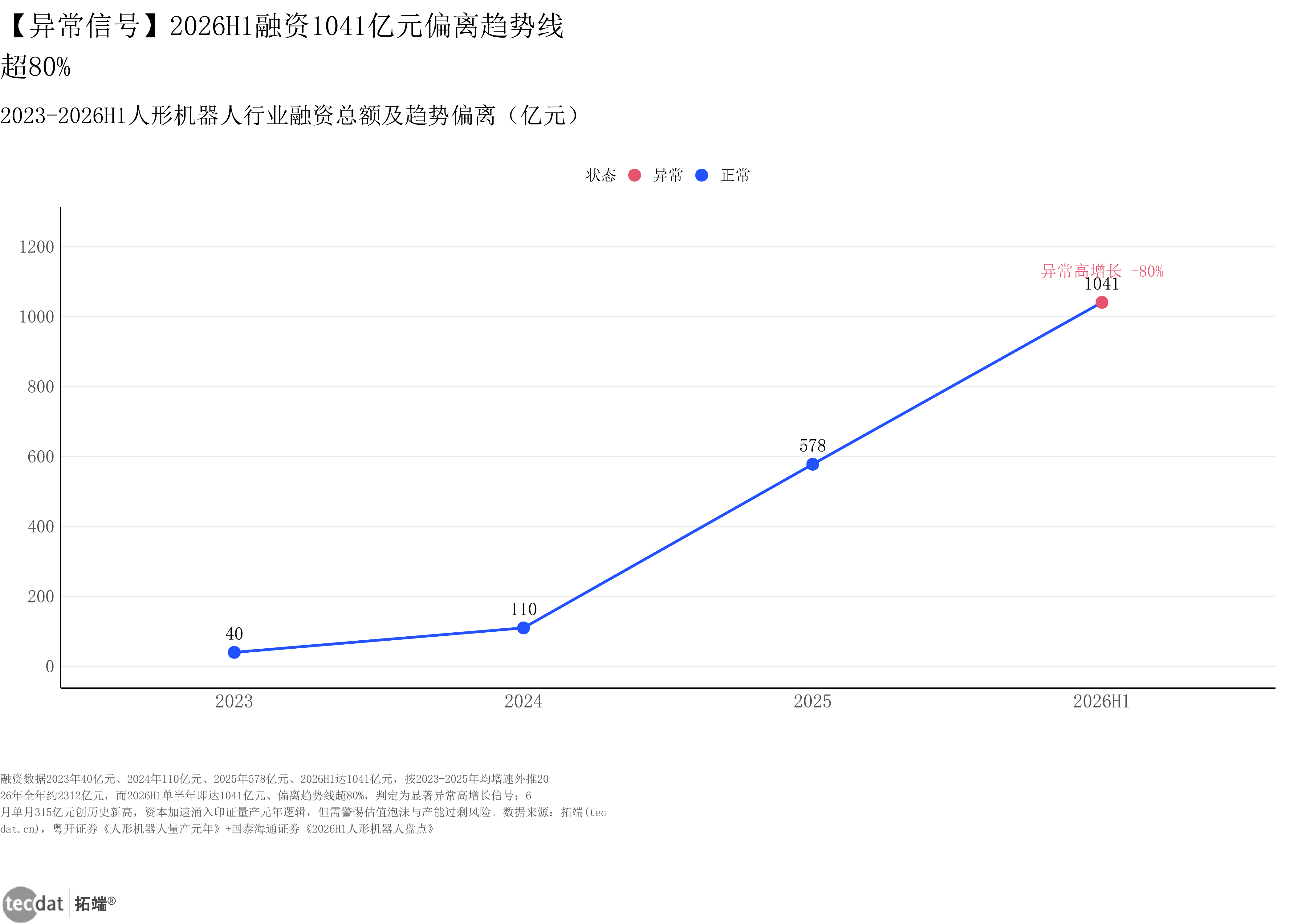
Figure ML6 data EXCEL and chart PDF templates have been shared to the member group
Interpretation: Accelerated capital inflow confirms the logic of the mass production year, but also requires vigilance against valuation bubbles.
Advice for entrepreneurs: The window period is 2-3 years. Position early in niche component or process links; missing the financing window will face more intense competition. In terms of policy, global cross-border and industrial policies were intensively adjusted in 2026. From Infographic 5 (2026 cross-border tariff policy timeline_Infographic 5), it can be seen that the United States imposed a 10% temporary tariff on imported goods starting February 24, and China was included in the proposed 12.5% additional tariff list; the EU will cancel the duty-free policy for packages below €150 starting July 1—these tariff variables directly affect the cost structure of humanoid robot component exports and complete machine overseas expansion.
Infographic 5: Global e-commerce_2026 cross-border tariff policy timeline_Infographic 5
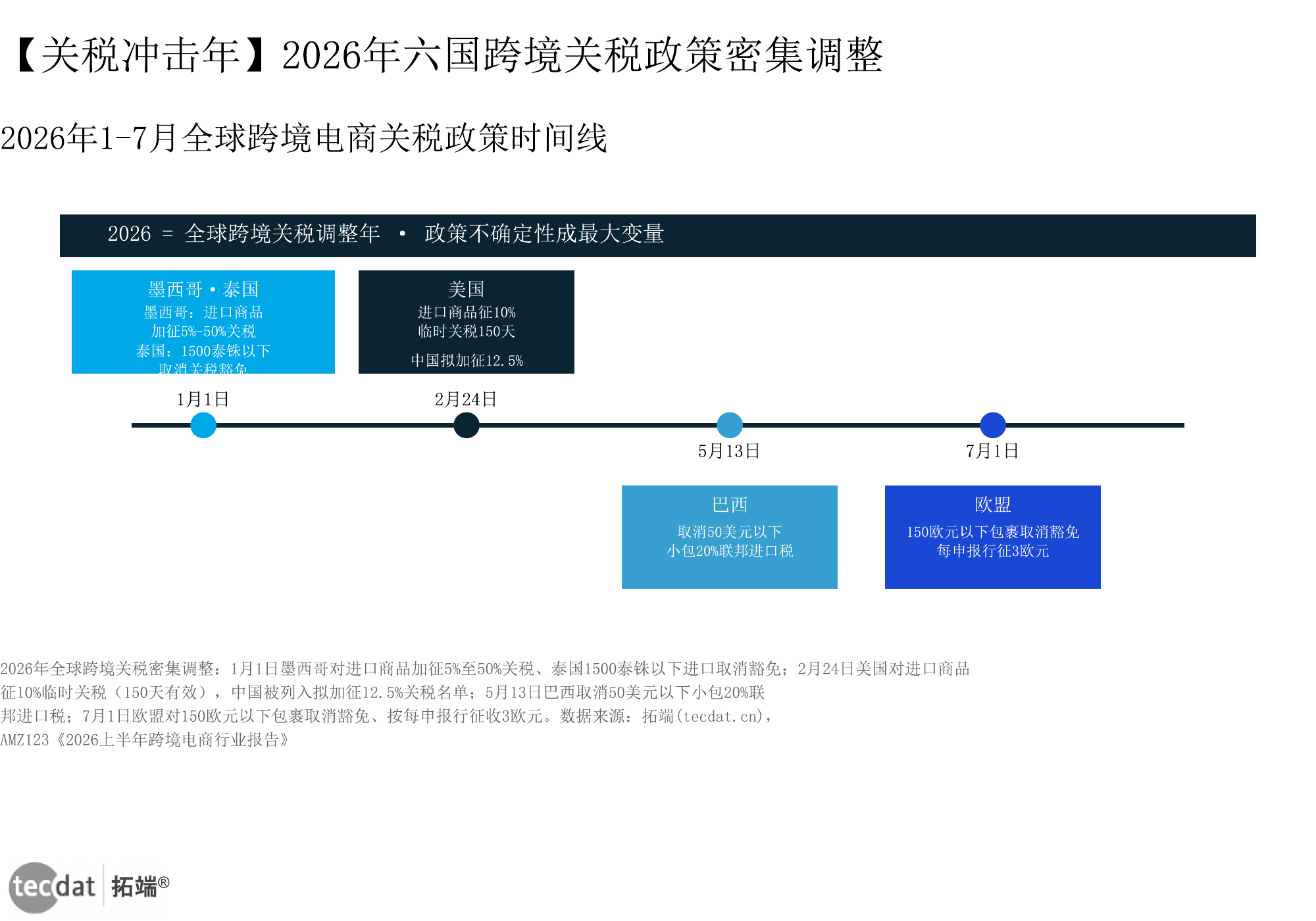
Infographic 5 chart PDF template has been shared to the member group
Interpretation: Tariff policies affect the pace of overseas expansion rather than the industry trend.
Advice for cross-border e-commerce entrepreneurs: Deploy overseas localized assembly and supply chains to hedge tariff uncertainty. More detailed data and sub-sector analysis have been organized into the member group; join to get full-text chart data and PDF templates.
III. Industry Prosperity Fundamentals: From Shipments to Costs
One-sentence investment logic: Actual shipments of 18,000 units in 2025 verify real demand; the 2030 forecast of 3 million units provides a twenty-fold space over five years, with the highest certainty of prosperity. The first anchor of industry prosperity comes from sales volume. Soochow Securities (released 2026) estimates new global humanoid robot demand at about 20,000 units in 2025 and 3 million units in 2030; actual shipments in 2023 were only a few hundred units globally, 3,000 units in 2024, jumping to about 18,000 units in 2025, and the Ministry of Industry and Information Technology expects domestic complete machine production to exceed 100,000 units in 2026, a growth of nearly 200 times in three years. From Figure 5 (Global sales forecast_line chart_Chart 5), it can be seen that the global sales forecast curve breaks through 100,000 units in 2026 and reaches 3 million units in 2030, showing the early stage of a typical S-curve of technology diffusion.
Figure 5: Line chart (Chart 5)
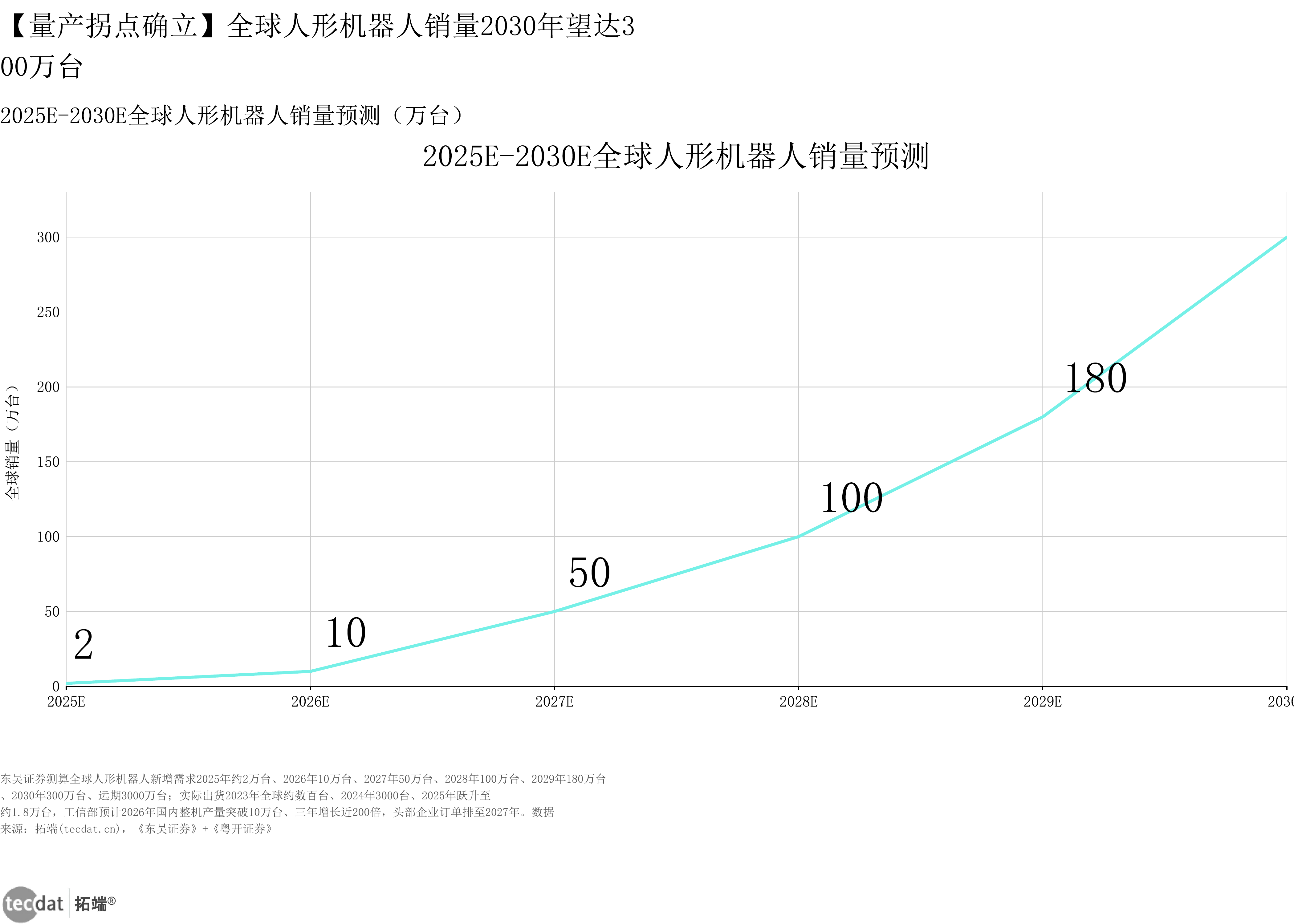
Figure 5 data EXCEL and chart PDF templates have been shared to the member group
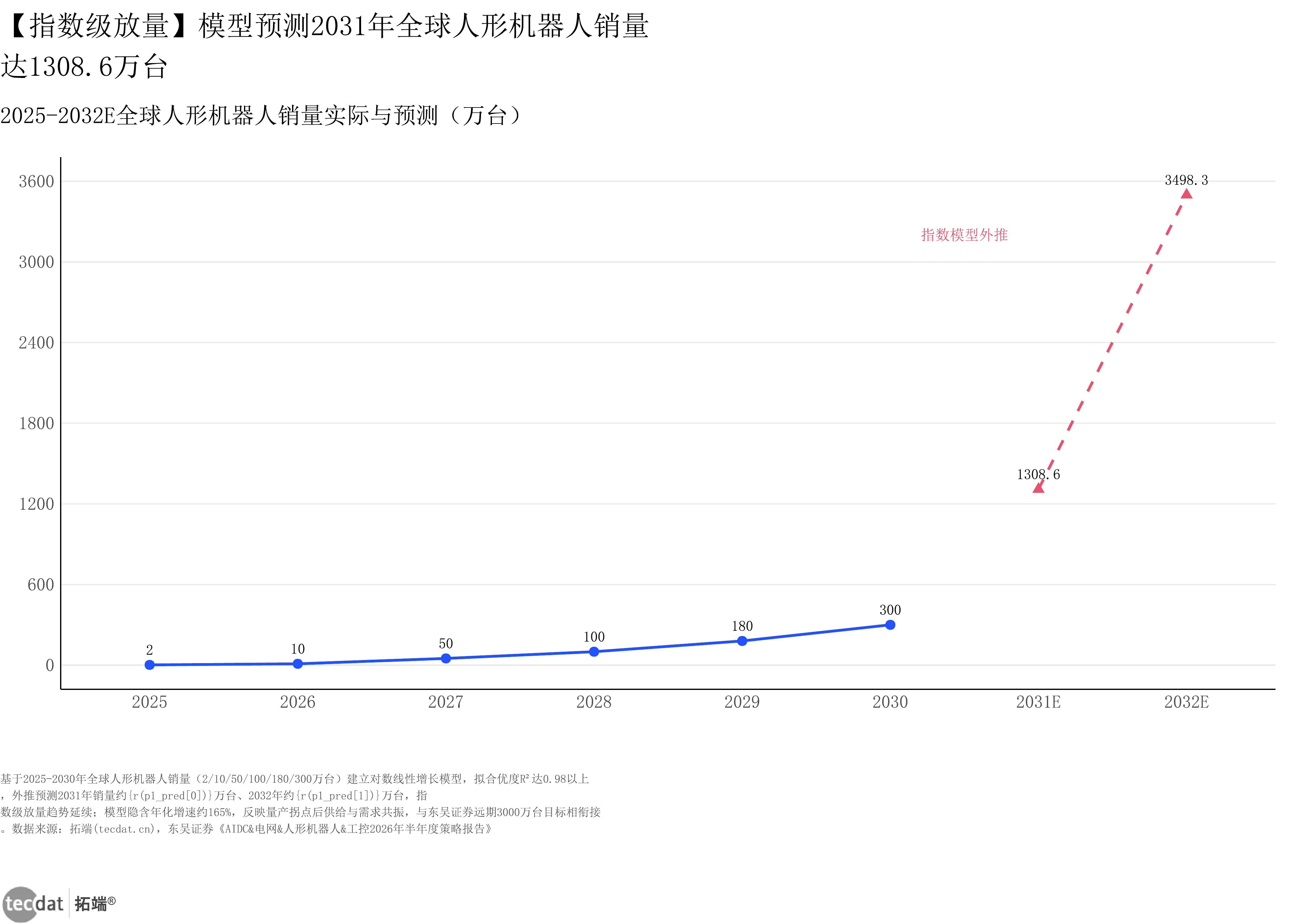
Furthermore, we established a log-linear growth model for this series (R²>0.98), extrapolating that 2031 sales will be about 13.09 million units and 2032 about 34.98 million units—the model implies an annualized growth rate of about 165%, reflecting supply-demand resonance after the mass production inflection point. From Figure ML1 (Global sales exponential model forecast_line chart_Chart ML1), it can be seen that the blue solid line is the 2025-2030 actual data, and the red dashed line is the exponential model extrapolation for 2031-2032.
Figure ML1: Humanoid robot industry_global sales exponential model forecast_line chart_Chart ML1 (machine learning chart)
Most Popular Insights
- 2026 AI Computing Power Large Model Special Report: Computing Cloud, Edge, End and Landscape | With 200+ Reports and Data Collection Download
- 2026 Humanoid Robot: From Technological Breakthrough to Ecological Definition | With 200+ Reports and Data Collection Download
- 2026 AI Artificial Intelligence Medical Report: Medical Devices, Surgical Robots | With 240+ Report Data Download
- 2026 Humanoid Robot Dexterous Hand Industry Report: Industry Chain and Market Space | With 100+ Reports and Data Collection Download
- 2026 One-Person Company OPC Development Research Report: From Tools to Ecosystem Evolution | With Report PDF, Data, Visualization Template Summary Download
Figure ML1 data EXCEL and chart PDF templates have been shared to the member group
Interpretation: Exponential extrapolation is an optimistic scenario. Actual capacity ramp-up may be more moderate, but the direction is certain.
Advice for brand/strategy leaders: Use 3 million units by 2030 as neutral planning, while reserving capacity flexibility. The second anchor is cost. According to Wright’s Law, Soochow Securities expects that when cumulative global robot sales reach 2.91 million units, complete machine manufacturing cost will drop from about RMB 350,000/unit in 2025 to RMB 93,000/unit in 2030, and selling price will drop from RMB 760,000/unit to RMB 190,000/unit. From Figure 8 (Complete machine cost and selling price_line chart_Chart 8), it can be seen that both cost and selling price drop sharply, with the cost curve cutting into RMB 93,000/unit in 2030 and the selling price falling below the RMB 200,000 threshold.
Figure 8: Line chart (Chart 8)
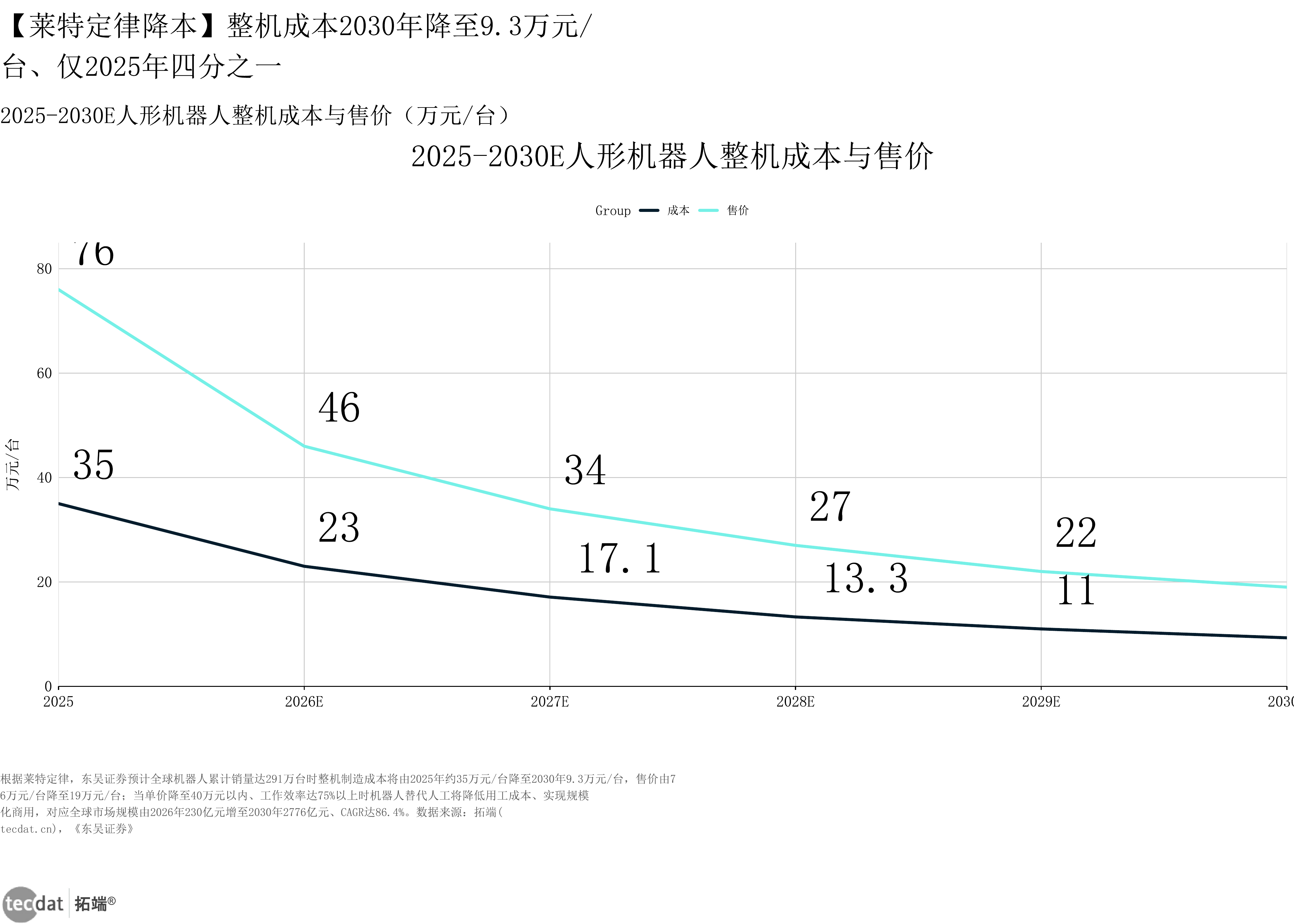
Figure 8 data EXCEL and chart PDF templates have been shared to the member group
Fitting exponential decay curves to the cost and selling price series separately, we predict that by 2032, cost will be about RMB 70,000 and selling price about RMB 160,000—under Wright’s Law, the rule that cost drops by about 15% for every doubling of cumulative sales continues. From Figure ML4 (Complete machine cost and selling price decay forecast_line chart_Chart ML4), it can be seen that the dual exponential decay curves extend smoothly to 2032.
Figure ML4: Humanoid robot industry_complete machine cost and selling price decay forecast_line chart_Chart ML4 (machine learning chart)
Figure ML4 data EXCEL and chart PDF templates have been shared to the member group
Interpretation: After cost breaks below the RMB 400,000/unit critical point, the economics of robots replacing human labor become apparent (hourly operating cost about $2).
Advice for SMEs: 2027-2028 is the best introduction window; start with leasing/OEM models. The third anchor is market space. China’s screw market was about RMB 2.57 billion in 2023, with ball screws accounting for 61%, trapezoidal screws 35%, and planetary roller screws only 4%—the latter is the greatest source of elasticity after humanoid robot volume increases. From Figure 2 (China screw market structure_semicircle area proportion chart_Chart 2), it can be seen that planetary roller screws currently account for a very small proportion and are in the introduction period.
Figure 2: Semicircle area proportion chart (Chart 2)
Figure 2 data EXCEL and chart PDF templates have been shared to the member group
Interpretation: The 4% share means huge substitution space.
Advice for entrepreneurs: Planetary roller screws have high process barriers (thread grinding, heat treatment). First attack single-point processes and then expand product categories. More detailed data and sub-sector analysis have been organized into the member group; join to get full-text chart data and PDF templates.
IV. Industry Chain Investment Map: Screw → Actuator → Complete Machine Value Transmission
One-sentence investment logic: Industry chain value ranking: actuator (accounting for about 19%-35% of complete machine) > structural parts > perception system. Investment priority should be transmitted “from core components to complete machines.”
Segment 1: Planetary roller screws—competitive landscape and domestic substitution space. In 2023, China’s planetary roller screw market was dominated by two Swiss leaders: Rollvis accounted for 29% and GSA 27%, totaling nearly 56%; domestic manufacturers Nanjing Technology about 6% and Jining Bote about 5%, with domestic total only 11%. From Figure 3 (Planetary roller screw competitive landscape_donut chart_Chart 3), it can be seen that the overseas duopoly pattern is obvious, and domestic substitution space is nearly 90%.
Figure 3: Donut chart (Chart 3)
Figure 3 data EXCEL and chart PDF templates have been shared to the member group
Interpretation: A domestic substitution rate of 11% corresponds to huge import substitution dividends.
Advice for industrial capital: Bind to targets such as Hengli Hydraulic, Best, Wuzhou Xinchun, Beite Technology that have already built production lines.
Segment 2: Complete machine competitive landscape—two leaders lead. In 2025, global humanoid robot manufacturers shipped about 14,700 units. Unitree Technology 5,511 units (37.5%), Zhiyuan Robot 5,168 units (35.2%), the two together 72.7%, extremely high head concentration. From Figure 7 (Manufacturer shipment share_gray-bottom proportional bar chart_Chart 7), it can be seen that Unitree and Zhiyuan account for far more than other manufacturers.
Figure 7: Gray-bottom proportional bar chart (Chart 7)
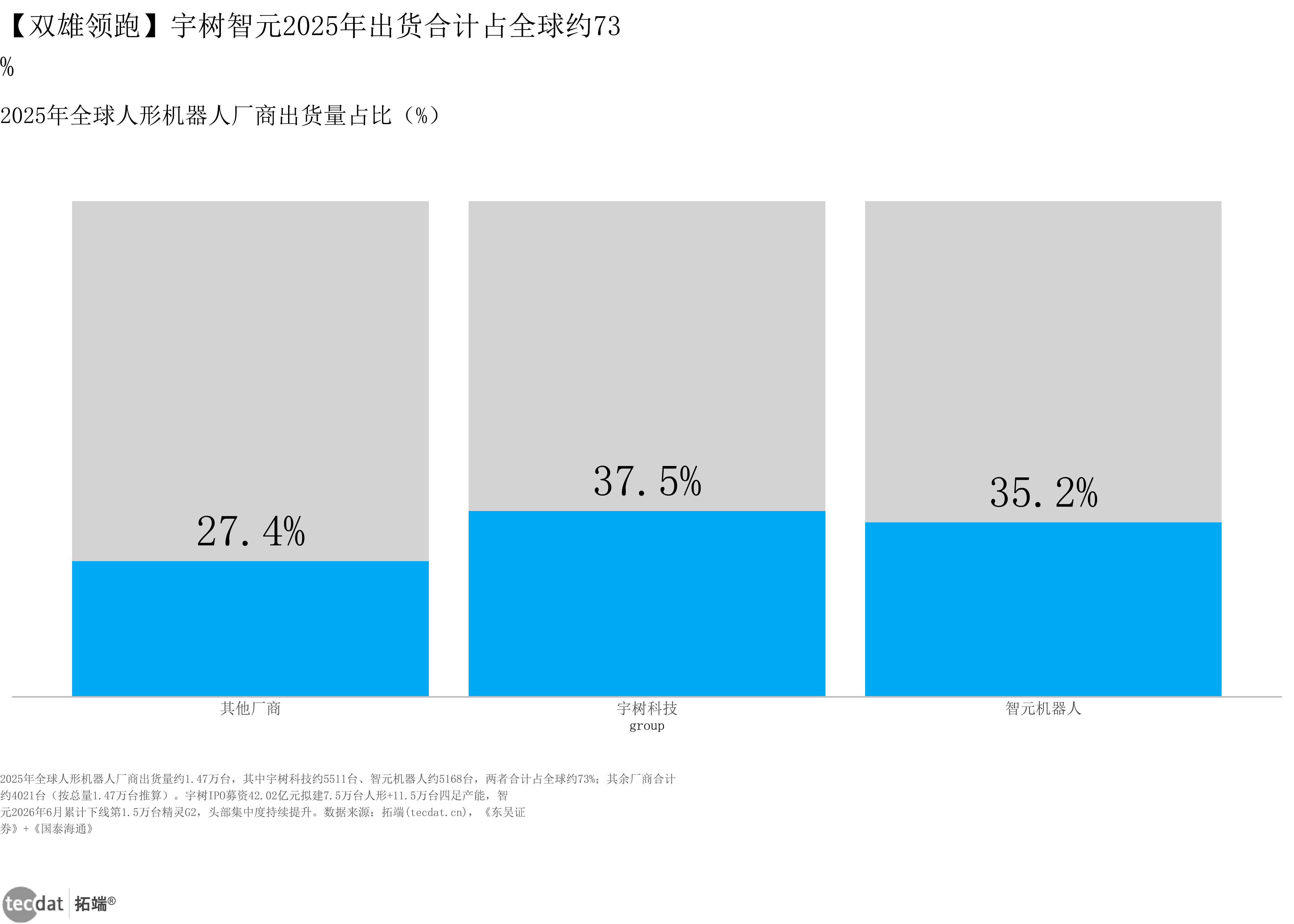
Figure 7 data EXCEL and chart PDF templates have been shared to the member group
From Figure ML8 (Manufacturer shipment concentration_bubble chart_Chart ML8), it can be seen that bubble size represents shipment volume, and the 72.7% concentration of the two leaders is clear at a glance.
Figure ML8: Humanoid robot industry_manufacturer shipment concentration_bubble chart_Chart ML8 (machine learning chart)
Figure ML8 data EXCEL and chart PDF templates have been shared to the member group
Interpretation: High concentration means leading manufacturers hold pricing power and capacity barriers.
Advice for strategy leaders: Prioritize supply chain entry into Unitree and Zhiyuan systems.
Segment 3: Component value distribution. Roland Berger (released 2026) estimates that by 2035, the humanoid robot component market will total $223 billion, with motion actuators at $79 billion, accounting for 35% of the total component market as the largest category. From Figure 11 (Component market value distribution_stacked bar chart_Chart 11), it can be seen that motion actuators are the absolute largest category, followed by structural parts and hand actuators.
Figure 11: Stacked bar chart (Chart 11)
Figure 11 data EXCEL and chart PDF templates have been shared to the member group
Interpretation: Actuators are the most critical subsystem of humanoid robots.
Advice for entrepreneurs: Find entry points along the disassembly path of “actuator → screw → motor → encoder.” More detailed data and sub-sector analysis have been organized into the member group; join to get full-text chart data and PDF templates.
V. In-depth Analysis of Sub-sectors: Screws, Actuators and Optimus Chain
One-sentence investment logic: Certainty ranking of three main lines: actuator > screw > Optimus chain, but elasticity ranking is opposite.
5.1 Planetary roller screws: five-year tenfold main track
Track conclusion: Incremental market of RMB 11.2 billion by 2029, five-year CAGR about 91%; domestic substitution is the core narrative. Market space calculation (TAM/SAM/SOM): Global planetary roller screw market size in 2022 was $1.27 billion, China only about RMB 400 million; with humanoid robot volume increase, the incremental market by 2030 will be about RMB 16.4 billion (logarithmic extrapolation), and at the SOM level, domestic manufacturers can obtain about half of the space. Growth drivers: ① 14 screws per humanoid robot; ② unit price decline from RMB 2,000/piece to RMB 800/piece offset; ③ semiconductors, electric vehicles, intelligent manufacturing drive industry CAGR 45% historical inertia. 3-year scenario forecast: Optimistic (2030 shipments 3 million units) → screw incremental market RMB 16.4 billion; neutral (2 million units) → about RMB 12 billion; pessimistic (1 million units) → about RMB 7 billion. From Figure 1 (Humanoid robot quantity and screw market increment_dual-axis chart_Chart 1), the complete path of volume-price transmission can be seen.
Figure 1: Dual-axis chart (Chart 1)
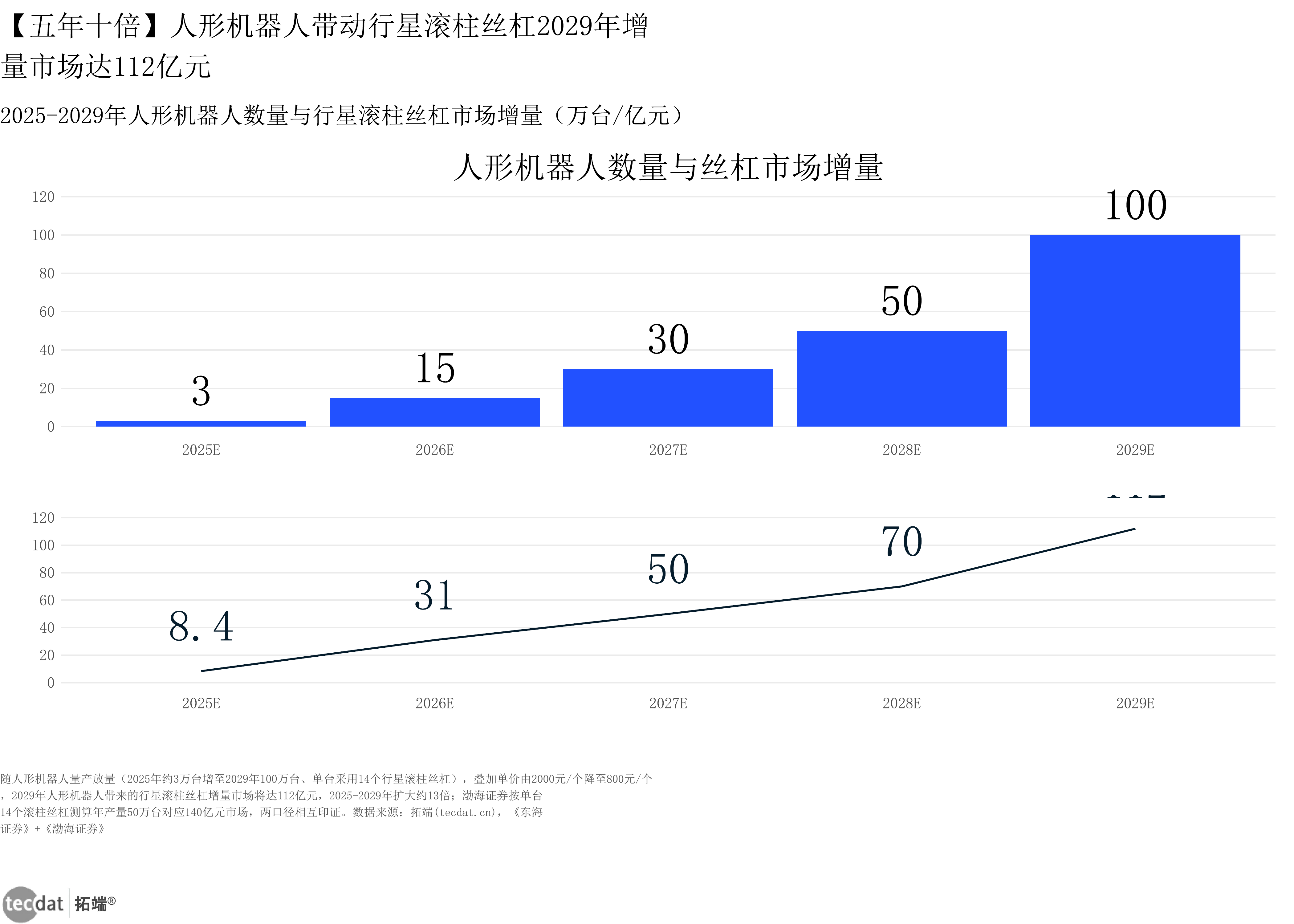
Figure 1 data EXCEL and chart PDF templates have been shared to the member group
Logarithmic extrapolation shows about RMB 16.4 billion in 2030 and about RMB 19.2 billion in 2031, with no inflection point in the growth curve. From Figure ML2 (Screw market increment logarithmic extrapolation forecast_scatter fit chart_Chart ML2), it can be seen that the scatter fit curve extends smoothly.
Figure ML2: Humanoid robot industry_screw market increment logarithmic extrapolation forecast_scatter fit chart_Chart ML2 (machine learning chart)
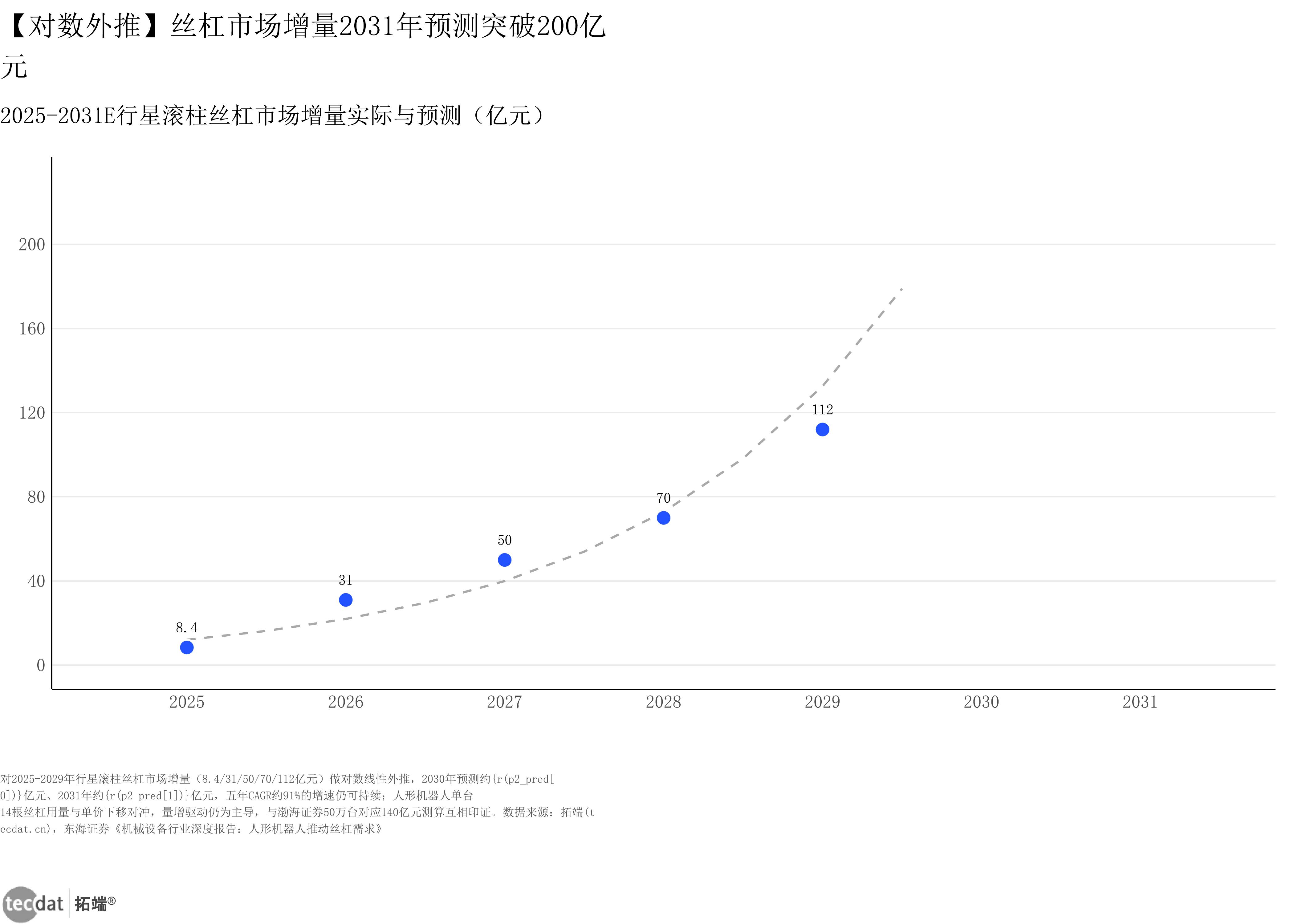
Figure ML2 data EXCEL and chart PDF templates have been shared to the member group
Interpretation: The screw track is a “volume increase + domestic substitution” double-click.
Advice for SME owners: Focus on outsourcing of grinding and heat treatment processes for planetary roller screws, or supply niche grades of screw raw materials (bearing steel).
Core risks: Unit price decline faster than expected; domestic process yield ramp-up slower than expected.
Implementation advice: Prioritize binding to manufacturers that have passed customer validation; pay attention to production lines being built since the end of 2024.
5.2 Actuators: the largest bottleneck segment by value
Track conclusion: By 2031, linear actuator market will exceed RMB 160 billion, rotary actuator about RMB 110 billion. Market space calculation: Soochow Securities estimates that as humanoid robots ramp up to 3 million units by 2030, linear actuator demand will increase from 180,000 sets in 2025 to 27 million sets in 2030, unit price will drop from RMB 13,000/set to RMB 3,858/set, market space will grow from RMB 2.3 billion to RMB 104.2 billion; rotary actuators will increase from 280,000 sets to 42 million sets, space from RMB 1 billion to RMB 71 billion. From Figure 12 (Actuator market space_polygon bar chart_Chart 12), it can be seen that linear and rotary actuators scale up simultaneously.
Figure 12: Polygon bar chart (Chart 12)
Figure 12 data EXCEL and chart PDF templates have been shared to the member group
Logarithmic extrapolation predicts that by 2031, linear actuators will be about RMB 162.4 billion and rotary actuators about RMB 111.1 billion, totaling over RMB 270 billion. From Figure ML5 (Actuator market space forecast_stacked area chart_Chart ML5), it can be seen that the stacked area continues to rise, with linear actuator share expanding.
Figure ML5: Humanoid robot industry_actuator market space forecast_stacked area chart_Chart ML5 (machine learning chart)
Figure ML5 data EXCEL and chart PDF templates have been shared to the member group
Interpretation: Actuators account for about 19% of humanoid robot value (screw caliber), and 35% under Roland Berger caliber, the largest single product market.
Advice for industrial capital: Pay attention to actuator assembly suppliers composed of harmonic reducers, planetary roller screws, and frameless motors.
Core risks: Technology route switching (electric drive vs hydraulic); unit price decline exceeding expectations eroding profits.
5.3 Optimus chain: Tesla’s mass production schedule
Track conclusion: Optimus production 30,000 units in 2026, 1 million units/year by 2030; accelerated after the Texas factory starts production in 2027. Tesla Optimus mass production schedule: about 5,000 units in 2025, 30,000 in 2026, 200,000 in 2027, 400,000 in 2028, 700,000 in 2029, 1 million in 2030; the Fremont factory has already retrofitted the first-generation Optimus production line (designed capacity 1 million units/year), and mass production introduction begins in H2 2026. From Figure 6 (Optimus production plan_horizontal proportional bar chart_Chart 6), it can be seen that production volume rises stepwise.
Figure 6: Horizontal proportional bar chart (Chart 6)
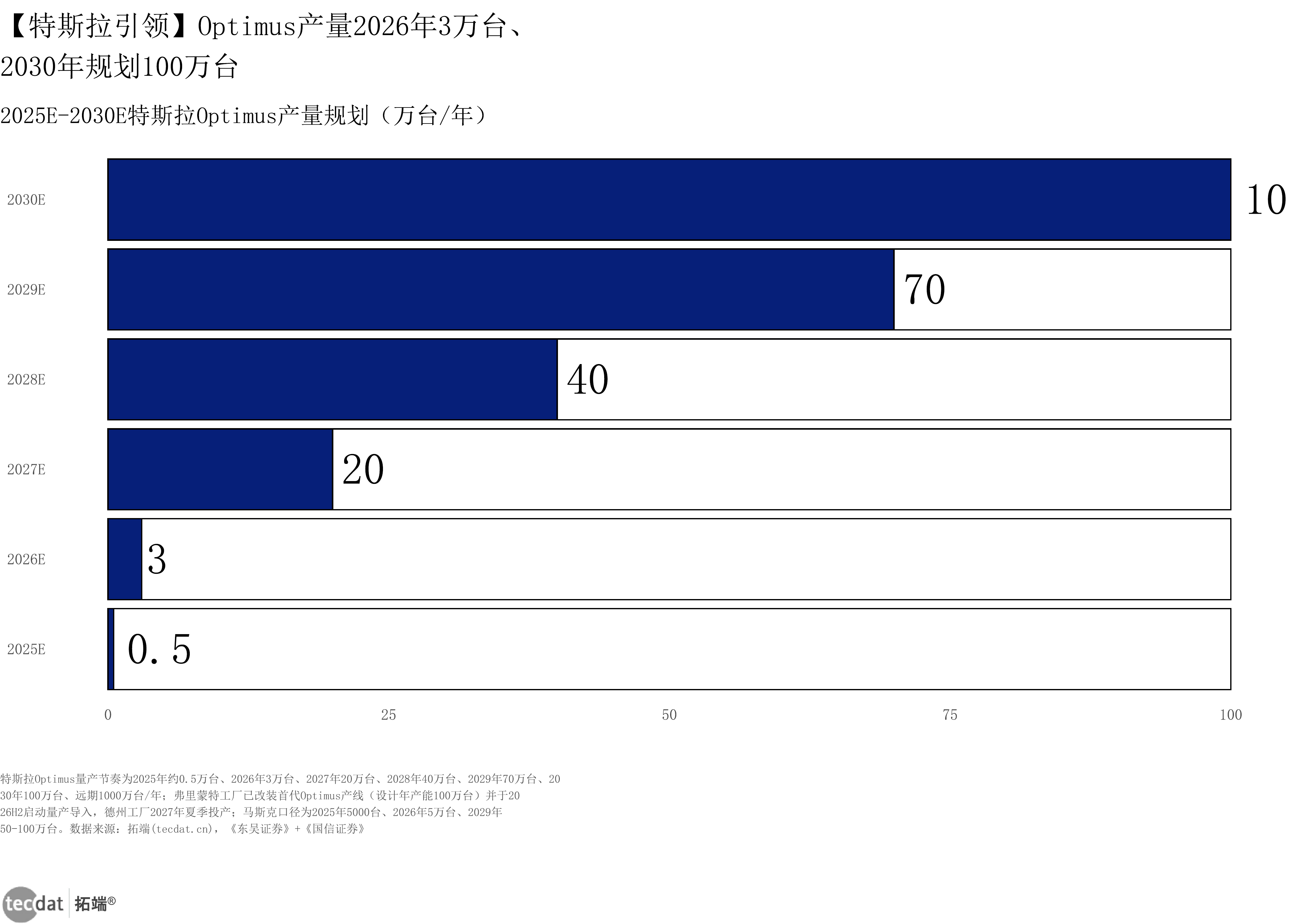
Figure 6 data EXCEL and chart PDF templates have been shared to the member group
The log-linear model predicts production of about 1.5 million units in 2031, entering a stable ramp-up channel from 2027. From Figure ML3 (Optimus production plan forecast_dual-axis chart_Chart ML3), it can be seen that production volume (bar) and year-on-year growth rate (line) coordinate.
Figure ML3: Humanoid robot industry_Optimus production plan forecast_dual-axis chart_Chart ML3 (machine learning chart)
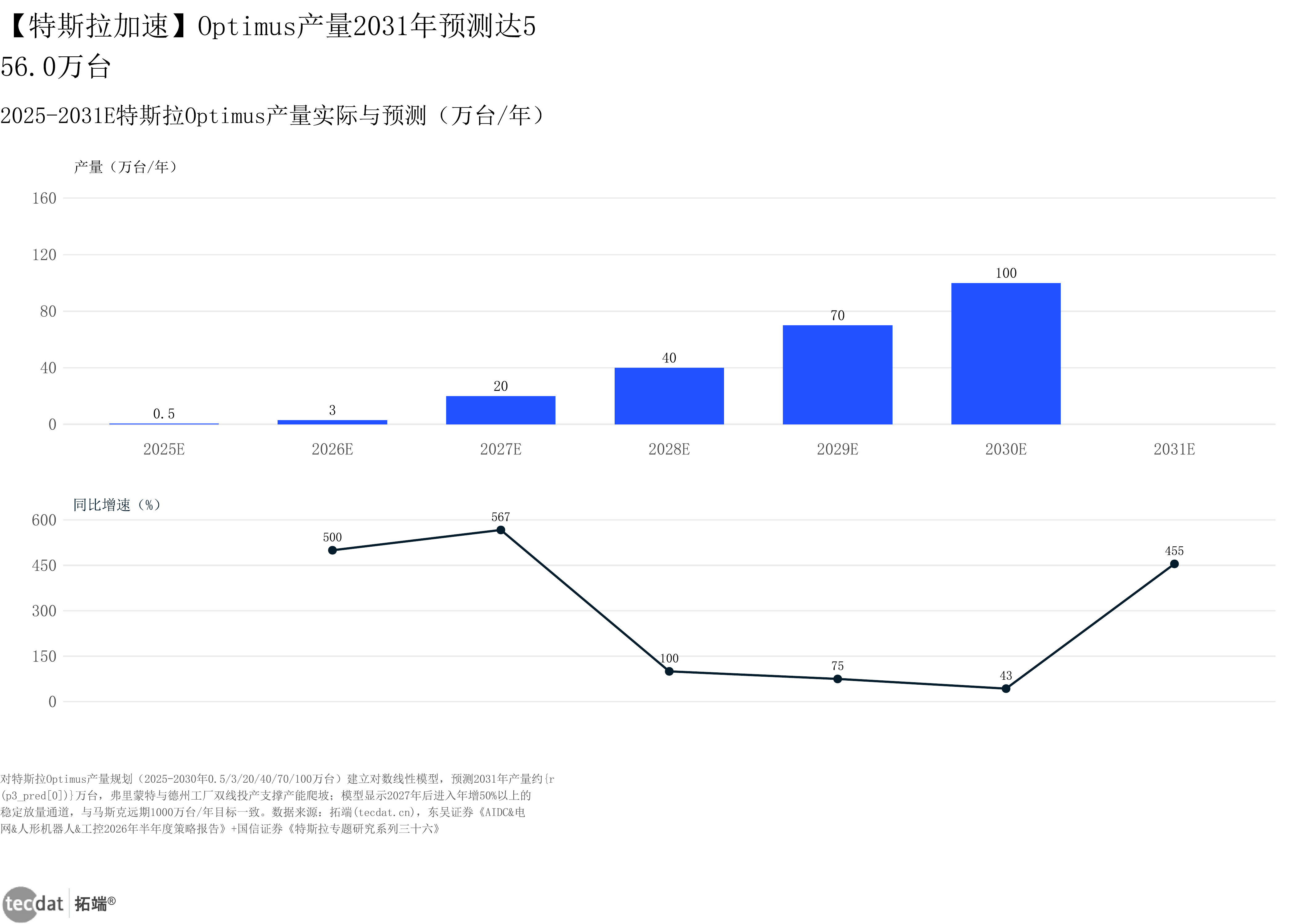
Figure ML3 data EXCEL and chart PDF templates have been shared to the member group
Interpretation: The certainty of the Tesla chain lies in rigid capacity planning, and the elasticity lies in the share increase of domestic suppliers.
Advice for suppliers: Pass Tesla’s factory audit system (TS16949-like) certification in advance. More detailed data and sub-sector analysis have been organized into the member group; join to get full-text chart data and PDF templates.
VI. Expectation Gap Mining: Global Sales Measurement Caliber Conflict as High as 395%
One-sentence investment logic: The market’s optimistic narrative of “3 million units by 2030” needs to be discounted, and the expectation gap in shipment caliber instead breeds phased opportunities. The market generally believes: 3 million global humanoid robot sales by 2030 (Soochow Securities demand measurement caliber). Actual situation: Gaogong Robot (GGII) predicts global sales of 605,700 units by 2030, China 271,200 units; and extrapolating from actual 2025 shipments of 18,000 units at a CAGR of 56%, 2030 would be about 165,000 units—the difference among the three calibers reaches up to 395%. From Figure ML7 (2030 sales caliber conflict detection_gray-bottom proportional bar chart_Chart ML7), it can be seen that Soochow Securities’ demand measurement of 3 million units far exceeds GGII’s sales forecast of 605,700 units and actual shipment extrapolation of 165,000 units, with serious divergence among the three calibers.
Figure ML7: Humanoid robot industry_2030 sales caliber conflict detection_gray-bottom proportional bar chart_Chart ML7 (machine learning chart)
Figure ML7 data EXCEL and chart PDF templates have been shared to the member group
From Figure 9 (Global and China sales comparison_horizontal dumbbell chart_Chart 9), it can be cross-validated that under GGII caliber, China accounts for 45% of the global structure.
Figure 9: Horizontal dumbbell chart (Chart 9)
Figure 9 data EXCEL and chart PDF templates have been shared to the member group
Interpretation: Demand measurement (TAM) ≠ sales forecast (SOM). 3 million units is space, not baseline.
Advice for investors: Use GGII shipment caliber as the benchmark for neutral measurement, and track monthly production to verify inflection points. Looking at the Chinese market: 4,000 units in China in 2024, expected 271,200 units in 2030, making China the core incremental market. From Figure 10 (Market size forecast_tick mark chart_Chart 10), it can be seen that under Roland Berger caliber, the optimistic scenario market size by 2035 reaches $750 billion.
Figure 10: Tick mark chart (Chart 10)
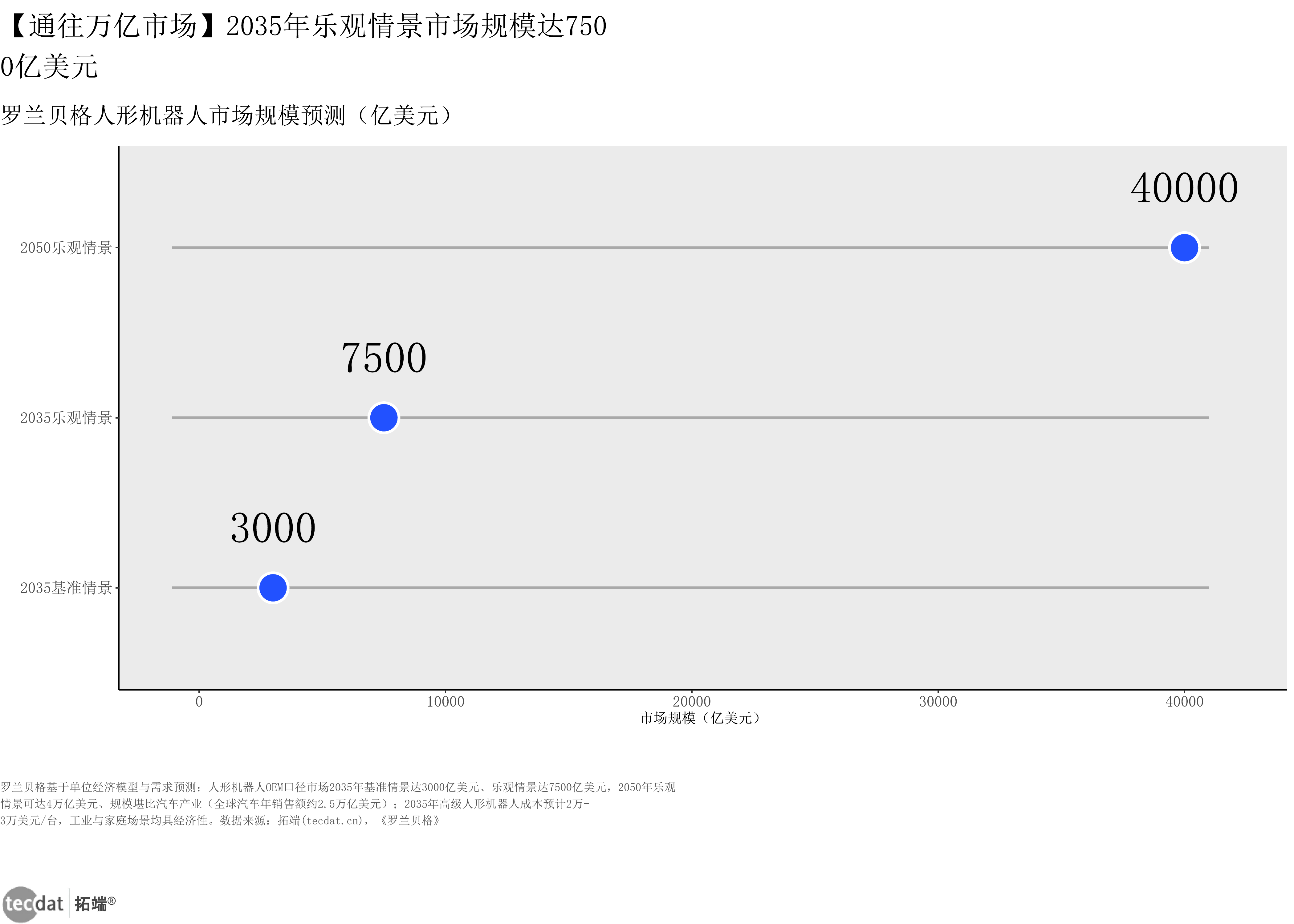
Figure 10 data EXCEL and chart PDF templates have been shared to the member group
Interpretation: China-US dual market resonance; China grows faster but has a smaller base.
Advice for overseas enterprises: Prioritize localized channels in Southeast Asia to avoid tariff frictions. More detailed data and sub-sector analysis have been organized into the member group; join to get full-text chart data and PDF templates.

2026 Humanoid Robot Industry Research Report: Mass Production Year, Core Components and Investment Map | With 100+ Reports and Data Collection Download
This article focuses on the development of the humanoid robot industry in 2026: over 140 complete machine enterprises and 330 products launched in 2025, financing amount surged 326% year-on-year; answers core questions such as the market size and growth rate of the humanoid robot industry in 2026, the window period for domestic substitution of core components (motors, screws, reducers), and the bottlenecks and breakthroughs in the supply chain during the mass production year.
Explore insightsVII. Risk Warning: Five-piece Complete Version
Risk 1: Mass production progress falls short of expectations.
Impact on decision-making: Directly affects order fulfillment pace and return cycle.
Supplement: Reports mostly use optimistic demand measurement calibers; actual yield ramp-up is generally slower than planned.
Response plan: Verify with quarterly shipment data instead of linear extrapolation.
Community support: Member group can obtain monthly industry chain tracking data.
Risk 2: Financing valuation bubble. H1 2026 financing of RMB 104.1 billion deviates from the trend line by over 80%; capital overheating may trigger valuation correction.
Impact on decision-making: Affects entry timing and valuation safety margin in the primary market.
Supplement: The report does not mention overcapacity risk; after capacity is released in 2027, price wars are inevitable.
Response plan: Focus on targets with both cash flow and order visibility advantages.
Community support: Member group can obtain valuation percentile data.
Risk 3: Tariffs and supply chain security. The US proposes an additional 12.5% tariff, and the EU cancels small package duty-free, increasing component export and complete machine overseas costs.
Impact on decision-making: Affects overseas gross margin and compliance costs.
Supplement: In 2026, global tariff policies were intensively adjusted (see Infographic 5).
Response plan: Overseas localized assembly and multi-base supply chain.
Community support: Member group can obtain tariff policy interpretation.
Risk 4: Single-unit economic verification fails. Replacing human labor with robots requires unit price below RMB 400,000 and efficiency above 75%. If cost reduction falls short, demand will be lower than forecast.
Impact on decision-making: Affects large-scale commercial timetable.
Response plan: Pay attention to the slope of Wright’s Law and track the cost curve.
Risk 5: Technology route switching. If actuators switch from electric drive to other technology routes, existing supply chain value will be reassessed.
Impact on decision-making: Affects positioning direction.
Response plan: Maintain multi-route exposure to avoid single bets.
VIII. Extended Perspective: AI-Driven Global E-commerce Channel Transformation
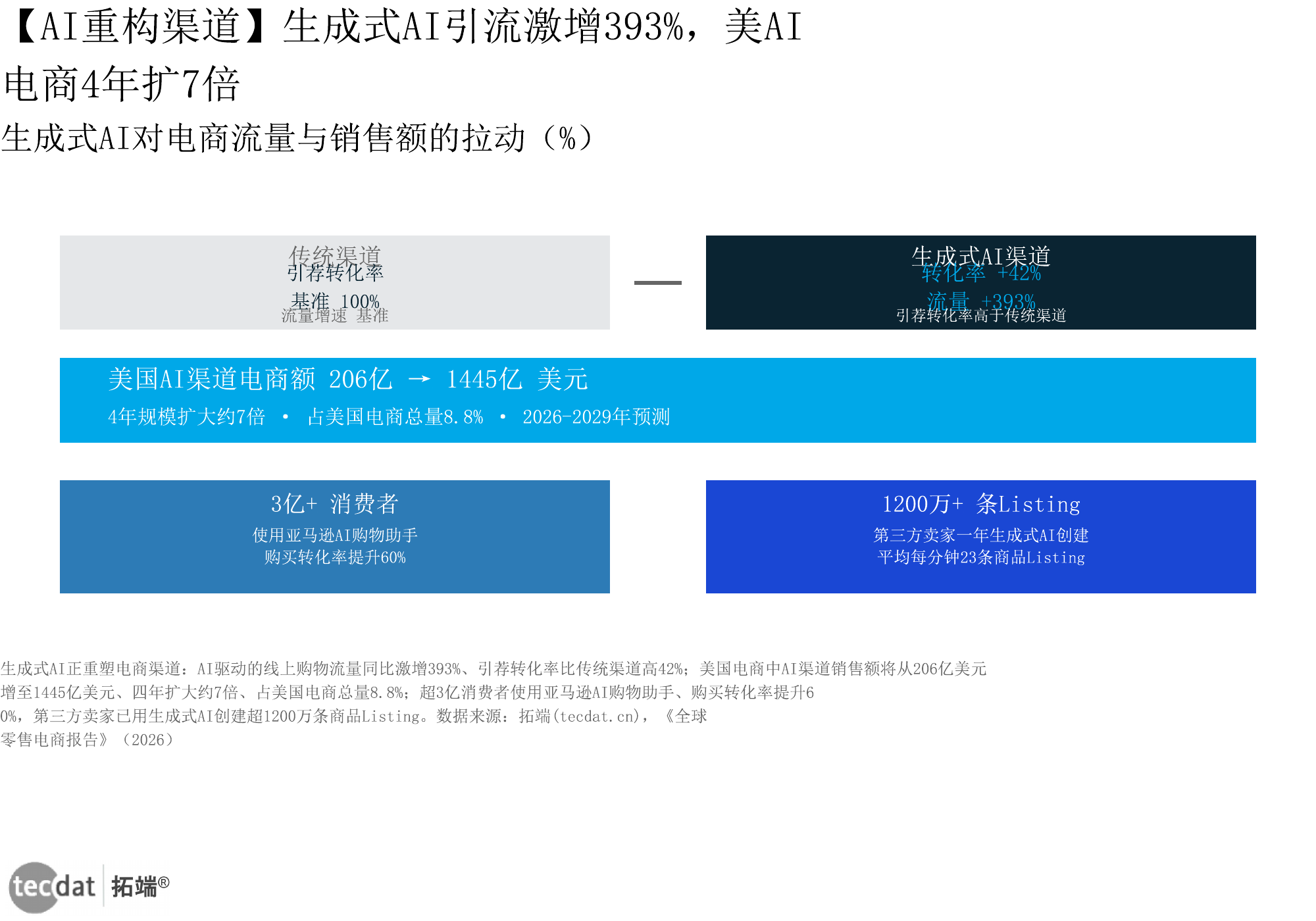
One-sentence investment logic: Humanoid robots and AI e-commerce share the same industrial cycle—AI capital expenditure and penetration rate are common prosperity indicators. Global retail e-commerce is expected to reach $7.41 trillion in 2026, up 8.0% year-on-year, with Asia-Pacific accounting for 54.3%; generative AI-driven online shopping traffic surged 393% year-on-year, and referral conversion rate is 42% higher than traditional channels. US AI channel e-commerce sales expanded about 7 times in 4 years. From Infographic 4 (Generative AI reshaping e-commerce channels_Infographic 4), it can be seen that AI channels are accelerating substitution of traditional channels.
Infographic 4: Global e-commerce_generative AI reshaping e-commerce channels_Infographic 4
Infographic 4 chart PDF template has been shared to the member group
From Infographic 1 (Global retail e-commerce market size and regional pattern_Infographic 1), the regional structure of global e-commerce can be seen.
Infographic 1: Global e-commerce_global retail e-commerce market size and regional pattern_Infographic 1
Infographic 1 chart PDF template has been shared to the member group
Interpretation: AI penetration rate improvement is a leading indicator of humanoid robot demand.
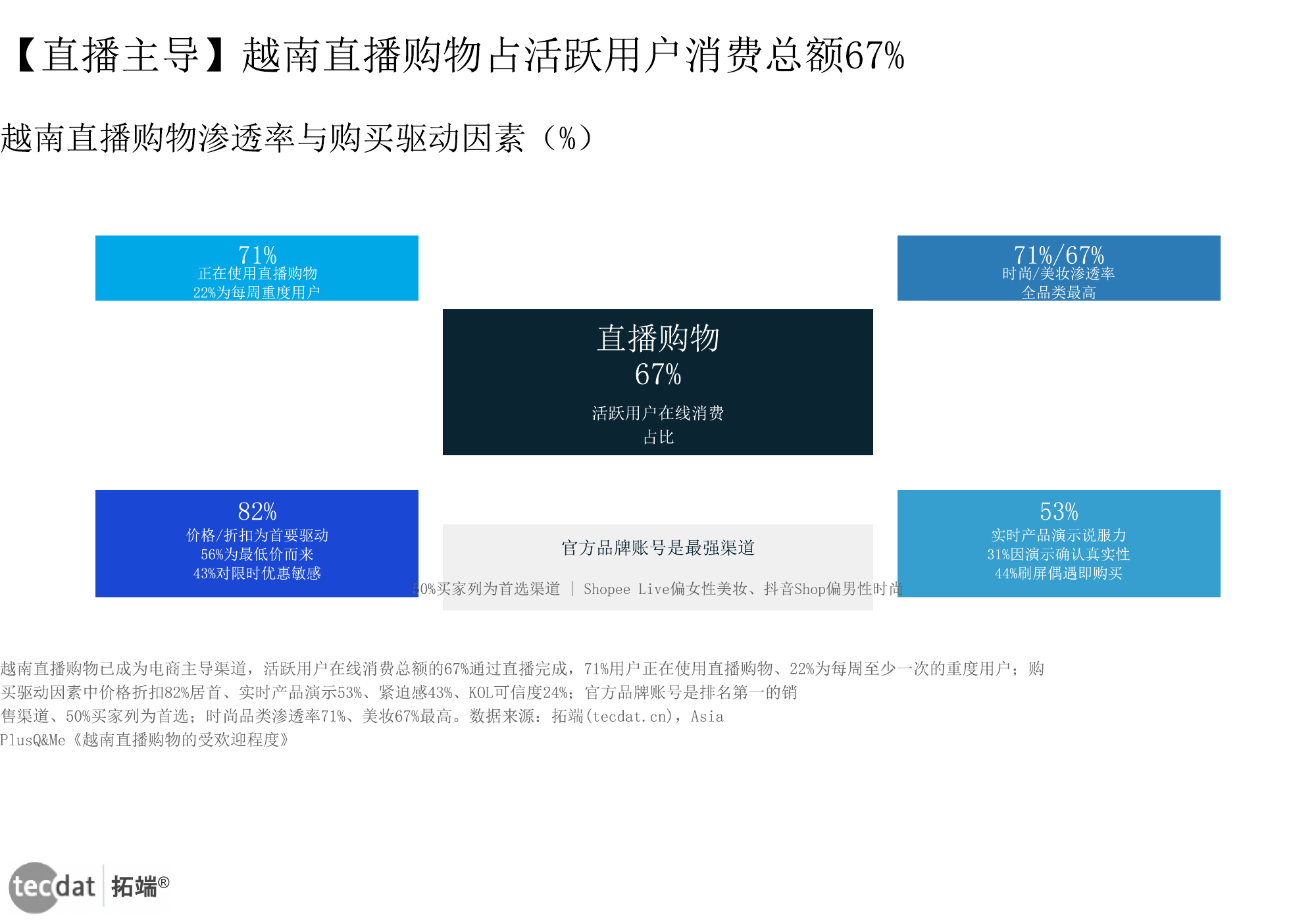
Advice for entrepreneurs: Pay attention to robot application scenarios in AI+logistics and AI+customer service. From niche scenarios, Infographic 2 (World Cup e-commerce consumption structure_Infographic 2) shows the explosive power of content e-commerce event economy, Infographic 3 (Vietnam live shopping driving factors_Infographic 3) shows the dominant position of live e-commerce in Southeast Asia, and Infographic 6 (Brand e-commerce service market upgrade_Infographic 6) shows e-commerce agency operations moving from traffic dividends to brand management.
Infographic 2: Global e-commerce_World Cup e-commerce consumption structure_Infographic 2
Infographic 2 chart PDF template has been shared to the member group
Infographic 3: Global e-commerce_Vietnam live shopping driving factors_Infographic 3
Infographic 3 chart PDF template has been shared to the member group
Infographic 6: Global e-commerce_brand e-commerce service market upgrade_Infographic 6
Infographic 6 chart PDF template has been shared to the member group
Interpretation: The automation and intelligent upgrade of e-commerce channels (warehousing robots, live digital humans) resonates with the humanoid robot industry in demand.
Advice for brand owners: Plan ahead for robot+retail scenario validation. More detailed data and sub-sector analysis have been organized into the member group; join to get full-text chart data and PDF templates.
IX. Core Comparison: Differences in Mainstream Institution Humanoid Robot Sales Measurements
| Institution | Core Conclusion (2030E Sales) | Perspective | Reason for Data Difference |
|---|---|---|---|
| Soochow Securities “AIDC & Power Grid & Humanoid Robot & Industrial Control 2026 Semi-annual Strategy Report” | 3 million units | Demand space measurement (TAM) | Back-calculated from demand side, capacity constraints not deducted |
| Gaogong Robot GGII “Global Humanoid Robot Sales Forecast” | 605,700 units | Industry chain shipment statistics (SOM) | Based on actual shipment statistics, most conservative caliber |
| Roland Berger “2026 Humanoid Robot: Intersection of New Markets” | $750 billion by 2035 (OEM caliber) | Unit economic model | Different time dimension (2035) |
Interpretation: The difference among the three calibers reaches up to 395%, essentially the difference between “demand space” and “actual shipments.” Investment decisions should be based on shipment caliber.
X. Action List: 3 Things That Can Be Implemented
- Capability building: Investigate local 3C/auto parts industry chains to evaluate the process feasibility of entering screw grinding or actuator assembly.
- Mindset transformation: Complete the cognitive transformation from “complete machine concept speculation” to “core component value,” using per-unit value (screw 19%, actuator 35%) to re-rank investment priorities.
- Action implementation: Things that can be done this week—① join industry communities to obtain quarterly shipment tracking data; ② contact Unitree/Zhiyuan supply chain departments to submit samples for testing; ③ establish a neutral measurement model for 600,000 units by 2030 based on GGII caliber.
XI. Recommended Reports by User Scenario Classification
SME owners/entrepreneurs:
- Key recommendation “Soochow Securities: Screw Industry In-depth Report”—the clearest breakdown of screw localization path, helping judge process entry points.
- Key recommendation “Guolian Securities: Screw Domestic Substitution Imminent”—comparison of domestic manufacturer capacity progress.
Brand/strategy leaders:
- Key recommendation “Roland Berger: 2026 Humanoid Robot: Intersection of New Markets”—the most complete unit economic model, supporting medium- and long-term strategic planning.
- Key recommendation “Soochow Securities: Embodied Intelligence Series 01″—cost curve and commercialization node breakdown.
Industrial capital strategic investment departments:
- Key recommendation “Guotai Haitong Securities: 2026H1 Humanoid Robot Review”—financing landscape and leading enterprise dynamics.
- Key recommendation “Caixin Securities: Humanoid Robot Industry In-depth Report (II)”—precision screw market expansion measurement.
Cross-border e-commerce entrepreneurs:
- Key recommendation “AMZ123: 2026 H1 Cross-border E-commerce Industry Report”—tariff policies and overseas channel data.
Summary
- Mass production year established: 2025 global humanoid robot shipments 14,700 units, H1 2026 financing RMB 104.1 billion, industry moving from prototype to mass production.
- Dual main line layout: Planetary roller screws (incremental RMB 11.2 billion by 2029, domestic substitution 11%→50%) and actuators (total RMB 270 billion by 2031) are the most certain bottleneck segments.
- Cost reduction curve credible: Under Wright’s Law, complete machine cost drops to RMB 70,000 by 2032, commercial economics appear after breaking the RMB 400,000 critical point.
- Expectation gap lies in caliber: 3 million unit demand measurement differs from 605,700 unit shipment forecast by 395%; make neutral decisions based on shipment caliber.
- Risk hedging: Mass production progress, valuation bubble, tariff variables triple risk; use quarterly data verification instead of linear extrapolation.
Chart List at End of Article
| No. | Chart Name | Chart Type |
|---|---|---|
| Chart 1 | Dual-axis chart | Data chart |
| Chart 10 | Tick mark chart | Data chart |
| Chart 11 | Stacked bar chart | Data chart |
| Chart 12 | Polygon bar chart | Data chart |
| Chart 2 | Semicircle area proportion chart | Data chart |
| Chart 3 | Donut chart | Data chart |
| Chart 4 | Shaded bar chart | Data chart |
| Chart 5 | Line chart | Data chart |
| Chart 6 | Horizontal proportional bar chart | Data chart |
| Chart 7 | Gray-bottom proportional bar chart | Data chart |
| Chart 8 | Line chart | Data chart |
| Chart 9 | Horizontal dumbbell chart | Data chart |
| ML1 | Humanoid robot industry_global sales exponential model forecast_line chart_Chart ML1 | Machine learning chart |
| ML2 | Humanoid robot industry_screw market increment logarithmic extrapolation forecast_scatter fit chart_Chart ML2 | Machine learning chart |
| ML3 | Humanoid robot industry_Optimus production plan forecast_dual-axis chart_Chart ML3 | Machine learning chart |
| ML4 | Humanoid robot industry_complete machine cost and selling price decay forecast_line chart_Chart ML4 | Machine learning chart |
| ML5 | Humanoid robot industry_actuator market space forecast_stacked area chart_Chart ML5 | Machine learning chart |
| ML6 | Humanoid robot industry_financing amount anomaly detection_anomaly highlighted line chart_Chart ML6 | Machine learning chart |
| ML7 | Humanoid robot industry_2030 sales caliber conflict detection_gray-bottom proportional bar chart_Chart ML7 | Machine learning chart |
| ML8 | Humanoid robot industry_manufacturer shipment concentration_bubble chart_Chart ML8 | Machine learning chart |
| Infographic 1 | Global e-commerce_global retail e-commerce market size and regional pattern_Infographic 1 | Infographic |
| Infographic 2 | Global e-commerce_World Cup e-commerce consumption structure_Infographic 2 | Infographic |
| Infographic 3 | Global e-commerce_Vietnam live shopping driving factors_Infographic 3 | Infographic |
| Infographic 4 | Global e-commerce_generative AI reshaping e-commerce channels_Infographic 4 | Infographic |
| Infographic 5 | Global e-commerce_2026 cross-border tariff policy timeline_Infographic 5 | Infographic |
| Infographic 6 | Global e-commerce_brand e-commerce service market upgrade_Infographic 6 | Infographic |
Reference Report Directory
Reference report (PDF) directory within this special topic
Robot Industry Report List (Title | Time)
- 2026 Consumer Robot Status Report: Home AI Robots.pdf | 2026-07-23 15:30
- 2026 Humanoid Robot Report.pdf | 2026-08-11 15:44
- Automotive Industry: Robot Mass Production Year, Overseas and Domestic Robot Co-development.pdf | 2026-06-12 15:31
- Humanoid Robot Industry Research Blue Book.pdf | 2026-08-05 15:26
- 2026 Shenzhen Robot Enterprise Portrait Research Report.pdf | 2026-08-21 14:58
- 2026 Suzhou Robot Enterprise Portrait Research Report.pdf | 2026-08-21 14:58
- Robot Industry In-depth Report: Mass Production Process Accelerates, Robot Industry Investment Logic Moves from “Technology Convergence” to “Mass Production and Orders”.pdf | 2026-08-24 15:20
- Robot Industry In-depth: Screw Manufacturing Barriers High, Humanoid Robots Catalyze Screw Market Size Leap.pdf | 2026-06-10 14:00
- HRPP Humanoid Robot Overall Vision: From Patent Pool to General Robot White Paper.pdf | 2026-04-29 15:26
- Humanoid Robot Industry Special Research: Humanoid Robot Mass Production Year: Capital and Industry Dual-wheel Validation, Inflection Point Investment Opportunities Emerge.pdf | 2026-08-02 10:13
- Robot Lecture Hall: 2026 Embodied Intelligence and Humanoid Robot Industry Research Report.pdf | 2026-05-26 14:55
- Shangwei Qiyuan Joins Shangpin Home Delivery, Targeting C-end Robots.pdf | 2026-08-13 14:33
- 2026 Robot Controller Industry Glossary Report.pdf | 2026-07-21 14:41
- Physical AI Pushes Robots into Commercial Mass Production Year.pdf | 2026-07-21 14:36
- Humanoid Robot Industry New Technology Series: Inductive Encoder, Core Component for Robot Joint Position Measurement.pdf | 2026-07-05 08:46
- Global Humanoid Robot Industry Research Report (2026): Humanoid Robot Market Size and Competitive Landscape – Jinyan Perspective.pdf | 2026-07-14 14:41
- 2026 Robot Motor Industry In-depth Analysis Report – Wenkehui.pdf | 2026-07-16 15:45
- Technology Consumption Series III: AI Companion Robots from Emotional Hardware to Home Entry.pdf | 2026-08-25 14:55
- 2026H1 Humanoid Robot Review: Acceleration and Differentiation Before Mass Production.pdf | 2026-07-22 16:00
- 2026 Humanoid Robot: Intersection of New Markets (English) – Roland Berger.pdf | 2026-07-31 15:21
- Zhuanzhi Think Tank: HRPP Humanoid Robot Overall Vision: From Patent Pool to General Robot White Paper.pdf | 2026-04-20 15:19
- Endoscopic Surgical Robot Industry In-depth Report: From Domestic Substitution to Global Competition, Endoscopic Robot Industry Two-way Breakthrough.pdf | 2026-06-01 08:16
- 2026 Robot Industry Status Report – SVRC Research.pdf | 2026-07-16 15:39
- iTSTech: 2026 Humanoid Robot Traffic Application Review Report.pdf | 2026-06-28 09:23
- Dongguan Mechanical Equipment Industry Listed Company Analysis Report: From Drill Needles to Robots.pdf | 2026-08-23 16:20
- Humanoid Robot Series Report V: Dexterous Hands: Core Terminal, Robot Interface for Integrating into Physical World.pdf | 2026-03-23 15:37
- China Swimming Pool Cleaning Robot Industry Research Report (Part I) – Swimming Pool Cleaning “Intelligent” Revolution – Global Swimming Pool Cleaning Robot Market Analysis Head Leopard.pdf | 2026-06-30 13:38
- Medical Technology In-depth Report Series: Surgical Robots: Intuitive Surgical Thirty Years Development Mirror, Domestic Surgical Robot Global Commercialization Breakthrough.pdf | 2026-04-14 15:41
- 2026 Robot Industry Development and Impact Research Report – SURF.pdf | 2026-07-08 15:39
- Automotive Industry: Tesla V3 Finalization Imminent, Opening Robot Mass Production Year.pdf | 2026-07-24 15:05
- Humanoid Robot 2026 Annual Strategy: “Win with Upright, Win with Surprise”, Emphasize Robot Large-scale Mass Production Year.pdf | 2026-02-21 09:13
- Liepin: 2026 Robot Field Talent Supply-Demand Trend Insight Report.pdf | 2026-05-19 15:25
- Humanoid Robot Series In-depth Report (IV): Embodied Large Models: Humanoid Robot Intelligence Core, Data Flywheel Drives Iterative Leap.pdf | 2026-04-23 15:36
- Companion Robot Track Trillion-level Market Opportunity Research and Strategic Layout Deconstruction.pdf | 2026-06-30 13:40
- Humanoid Robot Industry Sensor In-depth Report – Perception Without Boundaries, Intelligence Leading the Future: Robot Sensors Accelerate Intelligent Evolution.pdf | 2026-04-16 16:01
- Surgical Robots: Global Layout Accelerates, Domestic Market Enters Policy Dividend Period.pdf | 2026-07-16 15:35
- Spring Festival Gala Robot Special Report: Spring Festival Gala Robots Shine, Comprehensive Progress in Motion Control, Bionics and Operation.pdf | 2026-03-05 14:43
- PwC: 2026 Intelligent Robot Industry Development White Paper.pdf | 2026-07-26 09:19
- Catering AI Cooking Robot Research Report 2026.pdf | 2026-03-29 09:08
- Automotive Industry 2026 WAIC Robot: Display Focus Shifts to Task Execution, Data Bottleneck Becomes Consensus.pdf | 2026-08-10 15:10
- Hebei Humanoid Robot Core Components Series Research II: Reducers.pdf | 2026-07-20 14:48
- Five-dimensional Verification of Robot Industry Chain Capacity Construction: Observe Actions, Know Reality.pdf | 2026-06-11 15:28
- Technical Barriers and Development Paths: Humanoid Robot Core Components.pdf | 2026-06-11 15:28
- Tesla Special Research Series 36: FSD Accelerates Penetration, Robot Production Line Landing Imminent.pdf | 2026-08-05 15:26
- New Strategy Consulting: 2026 50+ Humanoid Robot Scenario Application Landing Map.pdf | 2026-07-03 15:13
- 2025 China Swimming Pool Cleaning Robot Industry Research Report (Part II): Chinese Enterprises Going Global, Domestic Swimming Pool Robots “Swimming” to New Blue Ocean – Head Leopard Research Institute – 20260820.pdf | 2026-08-24 15:24
- Zhongyou Securities: Unitree G1 Humanoid Robot Disassembly Report.pdf | 2026-04-01 15:23
- Gaogong Consulting (GGII): 2026 China Intelligent Welding Robot Industry Development Blue Book.pdf | 2026-08-24 15:29
- National Robot Testing and Evaluation Center (Chongqing): Intelligent Robot Urban Space Scenario Application Guide (2026 Edition).pdf | 2026-02-28 16:04
- Surgical Robot Panorama (I)—Overseas Expansion and Domestic Penetration Rate Improvement as Industry Main Line.pdf | 2026-07-16 15:35
- 2026 Listed Company Robot Business Layout and Strategic Transformation Blue Book – Zhixing Yuanjie.pdf | 2026-07-17 14:50
- 2025 Global Embodied Intelligence and Commercial Service Robot Independent Market Research Report.pdf | 2026-07-21 14:43
- National Robot Standardization Technical Committee: Embodied Intelligent Robot and Mobile Communication Technology Research Report (2025 Edition).pdf | 2026-05-13 15:08
- Discussion on Core Competitiveness of Robot Industry Development: From Cost to Data, New Paradigm of Robot Progress.pdf | 2026-02-04 16:27
- Humanoid Robot Industry Special Research: Humanoid Robot Mass Production Year, Pay Attention to Body and Component Investment Opportunities.pdf | 2026-03-19 15:33
- Surgical Robot Special Topic: Policy and Innovation Dual-wheel Drive, Opening New Stage of Overseas Expansion.pdf | 2026-05-08 14:42
- 2026 Robot Technology Trend Report.pdf | 2026-01-22 19:54
- Humanoid Robot Industry Special Research: Humanoid Robot Mass Production Year, Pay Attention to Body and Component Investment Opportunities.pdf | 2026-03-13 15:38
- 2026 Embodied Intelligent Humanoid Robot Industry Development Blue Book – Zhixing Yuanjie.pdf | 2026-07-05 08:56
- 2021-2025 Robot Industry Development Trend Research Report.pdf | 2026-04-15 15:35
- Medical and Health Industry Research: Orthopedic Surgical Robots: Payment Environment Continues to Improve, Industry Enters Commercialization Acceleration Period.pdf | 2026-08-17 08:27
- Industrial Robot Scenario Innovation and Secondary Development White Paper v1.0 – 104 pages.pdf | 2026-07-20 14:53
- 2026 South Korea Robot Industry Opportunities and Chinese Enterprise Going Global Report – Shanghai Library.pdf | 2026-08-07 15:52
- Beishide: 2026 Intelligent Robot Hot Topic Research Report.pdf | 2026-04-23 15:44
- Embodied Intelligence Series 01: Body Manufacturer Capitalization Accelerates, General Robot Industry Chain Enters Verification Period.pdf | 2026-08-09 09:15
- New Strategy Consulting: 2026 Wheeled Humanoid Robot Industry Development Blue Book.pdf | 2026-06-03 15:02
- Innovative Medical Device Inventory Series (5): Endoscopic Surgical Robots: Domestic Rise, Import Substitution and Overseas Expansion Go Hand in Hand.pdf | 2026-08-19 15:38
- Automotive Industry In-depth Report: Humanoid Robot Landing Year, Core Links May Accelerate Development.pdf | 2026-07-31 15:14
- Pharmaceutical Industry 2026 Annual Mid-term Strategy Report: AI Empowers Drug R&D, Surgical Robot Overseas Expansion Expected.pdf | 2026-08-02 10:13
- 2026 Beyond the Product: Robot Going Global Brand Narrative White Paper.pdf | 2026-05-03 10:09
- Power Source: Motor System—Humanoid Robot Full-body Strength “Muscle” and Energy Efficiency Core v4.0.pdf | 2026-06-29 08:58
- 2026 Global and China Exoskeleton Robot Industry Development Insight White Paper – M2 Mitu Consulting.pdf | 2026-08-02 10:21
- 2025-2035 Global Robot Technology Roadmap – 53 pages.pdf | 2026-04-30 15:21
- 2026 Global Humanoid Robot Field Emerging Leading Enterprise Top 15 Report.pdf | 2026-04-13 15:21
- Industrial Robot Technology Foundation: Industrial Robot Typical Industry Applications – Guangdong Technical Normal University.pdf | 2025-12-16 16:25
- ShuShuo Security: 2026 Embodied Intelligent Security Technology White Paper: Robot Chapter.pdf | 2026-04-23 15:45
- Zhuanzhi Think Tank: 2026 Humanoid Robot: From Technological Breakthrough to Ecological Definition White Paper.pdf | 2026-04-21 15:37
- Beijing Yanjing Bizhi Information Consulting: AI Robot Industry Panorama and Development Trend Report.pdf | 2026-05-21 15:10
- Weike.com: 2026 Robot Industry Engine, Empowerment and Future Development Blue Book.pdf | 2026-04-28 15:30
- China Sweeping Robot Market Consumer Survey Data – iMedia Think Tank.pdf | 2026-03-05 10:23
Do you need me to merge medical reports + robot reports and create a classified general index (humanoid robot/surgical robot/AI medical/medical device going global)? The other 100+ selected humanoid robot industry reports have been shared to the member group (join to get the complete directory)
The author is a humanoid robot industry analyst with 5 years of experience in data mining and industry research.
 AI算力浪潮下的PCB产业趋势报告:AI算力、CCL与钻针
 2026年中国宠物行业发展报告:猫经济、国产替代、宠物食品
 2026年光伏发展报告:主链续亏、反内卷、光储一体化
 2026泡泡玛特深度分析报告:品类扩张与出海双轮驱动